Key Facts
- Category
- Retractors-Hook-Dissectors Instruments
- SKU
- CGS-RHD-010
- Sterilizable
- No
- Reusable
- Yes
Frequently Asked Questions
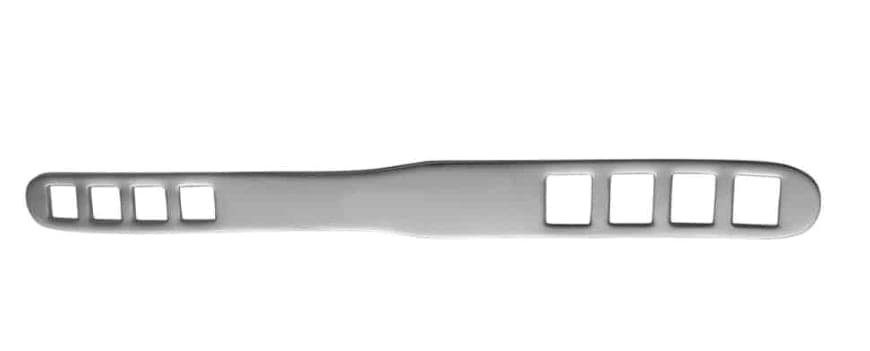
What is the primary use of the Mikulicz Retractor 85*50 mm 26 cm in surgeries?
The Mikulicz Retractor is primarily used in abdominal and liver surgeries to safely mobilize large abdominal structures. By providing optimal exposure to the operative field, it allows surgeons to perform procedures with greater precision while minimizing the risk of tissue damage.
How should the Mikulicz Retractor be sterilized before surgical use?
The Mikulicz Retractor should be sterilized using standard autoclave procedures to ensure it is free from contaminants. It is recommended to follow the manufacturer's guidelines for sterilization to maintain the integrity and performance of the surgical instrument.
What certifications does the Mikulicz Retractor hold?
The Mikulicz Retractor is manufactured in accordance with international quality standards, ensuring it meets the necessary certifications for surgical instruments. This includes compliance with ISO standards and regulations specific to medical devices, ensuring safety and efficacy in clinical use.
What materials are used in the construction of the Mikulicz Retractor, and why is this important?
The Mikulicz Retractor is crafted from high-quality surgical stainless steel, which is vital for its durability and resistance to corrosion. This material ensures that the retractor maintains its structural integrity during use and can withstand repeated sterilization cycles.
How does the design of the Mikulicz Retractor enhance its durability during surgical procedures?
The Mikulicz Retractor's design incorporates precision engineering, which contributes to its overall strength and durability. Its robust construction allows it to withstand the rigors of surgical use while providing reliable performance without compromising on safety.
Can the Mikulicz Retractor be used in minimally invasive surgeries?
While the Mikulicz Retractor is primarily designed for open abdominal surgeries, it can also be adapted for use in certain minimally invasive procedures when necessary. Surgeons should evaluate the specific surgical context to determine its suitability for such applications.
Related Articles
7 Essential Steps to Perfect Your Surgical Inventory Now!
Struggling with surgical inventory? Discover 7 game-changing steps to streamline your process and elevate your practice today.
Jul 28, 2026
10 Reasons Why Your Dental Practice Needs a Wholesale Supplier Now!
Unlock the secret to a successful dental practice with these 10 game-changing reasons to partner with a wholesale supplier today!
Jul 27, 2026
7 Essential Surgical Instrument Sterilization Methods You Must Know!
Unlock the secrets to keeping surgical instruments safe and sterile! Discover methods that every medical professional should master.
Jul 25, 2026


